How Cryotherapy Is Used in Modern Sports Recovery


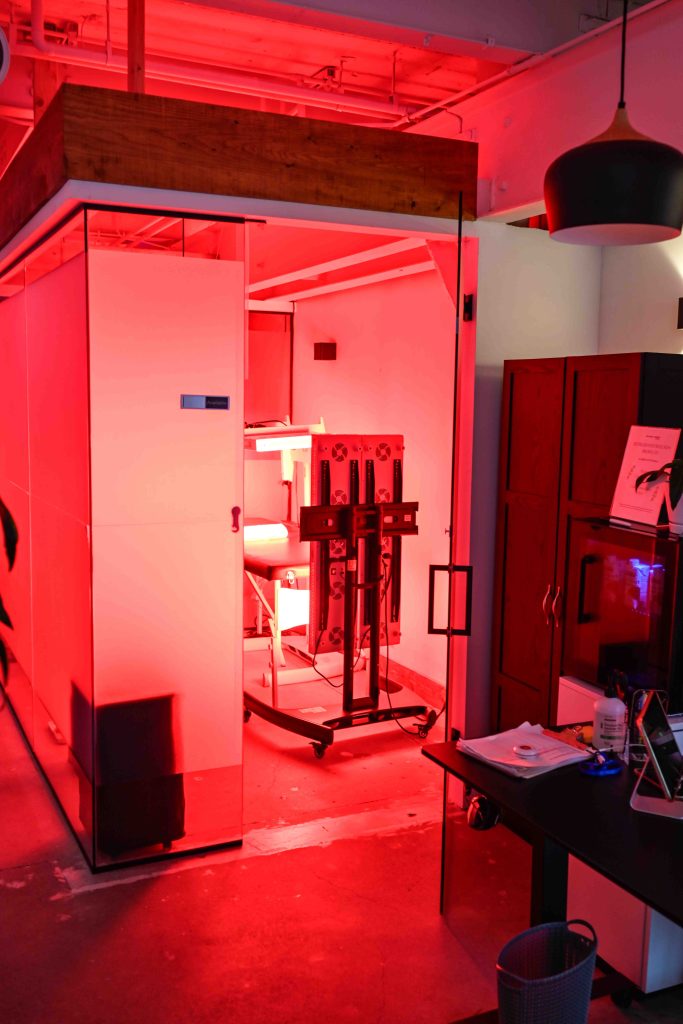
Cryotherapy has moved from the fringe of elite performance centers into mainstream sports medicine, private clinics, and even neighborhood recovery studios. A decade ago, most athletes encountered it as an occasional cold tub after a hard session or, if they were lucky enough to train in a well-funded environment, a specialized treatment used under close supervision. Now it appears everywhere, from locker rooms and physical therapy practices to boutique recovery chains offering whole-body chambers next to compression boots and infrared saunas.
That growth has created a familiar problem. The popularity of cryotherapy has outpaced the public’s understanding of what it actually does, who benefits most, and where its limits begin. Cold exposure can be a useful recovery tool, but it is not a magic fix for fatigue, soreness, or injury. In sport, the value of any recovery method depends on timing, dose, training phase, and the specific problem being addressed. Used well, cryotherapy can reduce pain, calm inflammatory responses, and help athletes tolerate high training loads. Used poorly, it can become an expensive ritual that blunts adaptation or distracts from more important basics such as sleep, nutrition, and load management.
The modern conversation around cryotherapy is best understood through that lens. It is neither hype nor cure-all. It is a tool, and like any tool in sport, it works best when matched carefully to the job.
What cryotherapy means in sports settings
The term cryotherapy simply refers to the therapeutic use of cold. In sports recovery, that covers several different methods rather than one single treatment. An athletic trainer icing an ankle on the sideline is using cryotherapy. So is a rugby player sitting waist-deep in a cold plunge after a heavy contact session. So is a sprinter stepping into a whole-body cryotherapy chamber for a brief blast of extremely cold air.
These methods are often discussed as if they are interchangeable, but they are not. They differ in temperature, exposure time, depth of cooling, equipment, cost, and the sensations they produce. An ice pack delivers local cooling to a specific region. Cold-water immersion exposes a larger area of the body and tends to cool tissue more effectively than cold air because water conducts heat more efficiently. Whole-body cryotherapy chambers are dramatically colder on paper, often far below freezing, but exposure is brief and the mechanism is different. The skin cools quickly, yet muscle temperature may not fall as much as many people assume.
That distinction matters because athletes do not recover in the abstract. They recover from specific stressors. A boxer with a swollen knuckle has different needs from a marathoner managing cumulative muscle soreness or a basketball player trying to bounce back between games in a congested schedule.
Why athletes reach for cold after training and competition
The appeal of cryotherapy is easy to understand. Intense training produces microtrauma in muscle, fluid shifts, metabolic stress, and sometimes a noticeable inflammatory response. Competition adds further complexity, including impact, joint irritation, travel fatigue, poor sleep, and mental stress. Athletes want something that helps them feel better fast, especially when another training session or match is coming within 24 to 48 hours.
Cold can help on that front. It tends to reduce pain perception, partly by slowing nerve conduction and altering how discomfort is processed. It may also limit the sense of heaviness or swelling that follows hard effort. Many athletes report that cold immersion gives them a sharper reset than passive rest alone, particularly after tournaments or back-to-back fixtures where the challenge is less about maximizing adaptation and more about restoring function quickly.
That distinction, adaptation versus readiness, sits at the center of modern cryotherapy use. Coaches working in-season often care most about preserving performance across dense schedules. Strength coaches in the off-season may be more cautious, because too much frequent cold exposure immediately after resistance training could interfere with some of the molecular signals linked to muscle growth and strength adaptation. A recovery method that helps an athlete feel fresher tomorrow is not always the best method if the deeper goal is long-term training gain over several months.
The main forms used in modern recovery programs
In real-world sports environments, cryotherapy usually appears in a few standard forms:
- ice packs or localized ice massage for a specific painful area
- cold-water immersion, often around 10 to 15 degrees Celsius for roughly 5 to 15 minutes
- contrast bathing, alternating cold and warm water
- whole-body cryotherapy chambers, usually for 2 to 4 minutes
- cold showers or simpler at-home cold exposure when full facilities are unavailable
Each of these has a place, though not all are equally supported for every purpose. Local ice remains common for acute pain and swelling management. Cold-water immersion is still the workhorse in team sport recovery because it is practical, scalable, and familiar. Whole-body cryotherapy has a stronger branding appeal and can be useful, but in many organizations it serves as an adjunct rather than the centerpiece of recovery planning.
Cold-water immersion remains the standard for many teams
If you spend time around professional football, rugby, basketball, or track and field programs, cold-water immersion is still the most common version of cryotherapy used after demanding workloads. There are good reasons for that.
First, it is logistically straightforward. A team can set up tubs, monitor timing, and cycle athletes through with relatively little technical complexity. Second, the athlete feels the treatment clearly. That may sound trivial, but perception matters. Recovery methods that athletes buy into are used more consistently. Third, immersion cools a substantial portion of the body in a predictable way.
In practice, teams rarely use one rigid protocol for everyone. A starting defender who played 90 minutes in hot weather may sit in a tub longer than a reserve player who logged only a short shift. A heavier athlete may tolerate cold differently than a lighter one. Some practitioners prefer temperatures on the milder side to improve compliance, especially during travel or in younger squads. Others use colder water after exceptionally demanding matches, though they still watch carefully for discomfort and excessive vasoconstriction.
One common mistake outside elite settings is assuming colder is always better. It is not. Water that is too cold can produce unnecessary stress, strong shivering, and poor adherence without delivering extra meaningful benefit. In applied settings, tolerable, repeatable protocols often outperform heroic ones.
Where whole-body cryotherapy fits, and where it does not
Whole-body cryotherapy has become the most visible face of the category, partly because it photographs well and sounds advanced. Standing in a chamber filled with very cold air, often for two or three minutes, feels dramatically different from sitting in a tub. Athletes often describe it as invigorating. Some like the shorter duration, especially those who dislike immersion or need a quick treatment between obligations.
There are situations where whole-body cryotherapy can be useful. It can improve subjective recovery, reduce perceived soreness, and slot efficiently into a broader recovery day. It may also suit athletes who are managing general fatigue rather than a localized problem. In a high-performance center, a chamber can process athletes quickly when schedules are tight.
Still, the practical conversation among experienced clinicians is usually more measured than the marketing. Whole-body chambers are expensive to purchase and maintain. They require strict safety procedures. The extreme air temperature can create the impression of deeper tissue impact than actually occurs. For some goals, especially https://blogfreely.net/colynncvco/cryotherapy-for-runners-benefits-for-training-and-recovery-nxqq after hard lower-body work, a cold plunge may provide as much or more benefit for far lower cost.
That does not mean chambers are ineffective. It means they should be judged against alternatives, not against their own mystique.
Pain control is one of cryotherapy’s clearest strengths
In sports medicine, the cleanest use case for cryotherapy is often pain management. Athletes in heavy training blocks frequently deal with low-grade soreness, irritated tendons, contact bruising, and joints that feel hot or aggravated after competition. Cold can take the edge off these symptoms enough to restore movement quality and tolerance for the next session.
This matters more than it may sound. An athlete who moves poorly because of pain often changes mechanics. A hurdler protects a sore calf and overworks the opposite side. A pitcher with a barking shoulder shortens follow-through. A basketball player with a tender knee lands stiffly and shifts load elsewhere. If cryotherapy helps reduce pain enough to restore cleaner movement, its value extends beyond comfort.
I have seen this most clearly with tournament athletes. During multi-day competitions, nobody is trying to create perfect tissue conditions. The goal is simpler and more urgent: keep the athlete functional. A short bout of cold after a match can reduce symptom intensity enough for the athlete to sleep better, tolerate treatment, and warm up more normally the next day. That is a very different aim from claiming cold “heals” tissue faster in every context.
The tension between recovery and adaptation
This is where many discussions become oversimplified. Recovery is not always synonymous with improvement. Some of the inflammation and soreness after training are part of the signaling process that drives adaptation. If you suppress those responses too aggressively or too often, especially after strength or hypertrophy sessions, you may interfere with some long-term gains.
That does not mean athletes should never use cryotherapy after lifting. It means context matters. A bodybuilder in a muscle-building phase has different priorities from a soccer player with three matches in eight days. The first athlete may be better served by saving cold exposure for situations involving pain flare-ups or exceptionally high residual soreness, rather than making it a ritual after every session. The second athlete may reasonably prioritize short-term restoration because competitive output is the immediate job.
Experienced performance staff usually think in terms of periodization. During congested in-season phases, cryotherapy use often rises. During developmental phases aimed at building strength, power, or size, it may be reduced or applied more selectively. This is one reason blanket recovery advice is so often misleading. Good practitioners ask, “Recover for what?” before choosing the modality.
Injury management is more nuanced than “ice everything”
For years, acute injury care was dominated by reflexive icing. While cold still has a place, the modern view is more nuanced. Not every injury needs aggressive icing, and not every swollen area benefits from repeated cold applications beyond the early stage.
For acute sprains, contusions, and post-impact swelling, localized cryotherapy can help with pain and may help limit excessive fluid accumulation in the short term. That can be useful in the first 24 to 48 hours when the athlete is struggling with throbbing discomfort and obvious irritation. But tissue healing is not improved simply by making an area colder for longer. In fact, excessive icing can leave the athlete stiff, numb, and temporarily less coordinated.
This is particularly important before return-to-play activity. If an ankle has been iced heavily and then the athlete immediately performs cutting drills, sensation and motor control may be altered. Good clinicians time treatments carefully. Cold is often used after loading or at the end of the day rather than right before tasks that demand precision, balance, or explosive output.
Post-surgical care is another area where cryotherapy remains common, especially after knee procedures. Here, the benefit is usually straightforward: reduce pain, manage swelling, and make early rehabilitation more tolerable. Even then, the cold is one piece of a much larger plan that includes compression, movement, exercise progression, and monitoring of joint response.
How teams decide when to use it
Elite sports programs do not typically hand out cryotherapy as a one-size-fits-all service. They make decisions based on schedule, injury status, athlete preference, and the physiological cost of the previous session.
After a routine technical day, there may be no need for organized cold exposure at all. After an extra-time match, long-haul travel, or a block of repeated sprints and contact, the equation changes. Staff will often combine subjective reports, wellness scores, soreness mapping, and simple observational cues. How stiff is the athlete getting off the table? Is the knee visibly reactive? Did the player cramp late? Is there another high-intensity exposure less than two days away?
Those judgments are often more valuable than obsessing over whether the water should be 11 or 12 degrees. Precision matters, but only after the broader purpose is clear.
What athletes actually feel, and why that matters
One underappreciated aspect of cryotherapy is the athlete’s lived experience. Cold is not merely a physiological intervention. It is also a psychological event. Some athletes emerge from a plunge or chamber feeling reset, alert, and ready to move again. Others hate the process, tighten up, and dread it all day. Compliance and expectation shape outcomes more than many people admit.
This is especially true in modern recovery culture, where routines can become superstitions. Some players become attached to cold because it gives structure to the end of a match day. That ritual can be useful if it promotes consistency. It becomes less useful when the athlete starts treating it as a cure for poor sleep, inadequate fueling, or chronic overload.
The best practitioners respect athlete preference without surrendering clinical judgment. If a treatment helps an athlete feel composed and recovered, that matters. But it still has to fit the larger training picture.
Safety, contraindications, and common mistakes
Cryotherapy is generally safe when used appropriately, but it is not harmless. Problems usually arise from poor screening, excessive exposure, or the assumption that if some cold is good, more must be better.
A few basic safeguards matter:
- screen for cold sensitivity, circulatory issues, nerve problems, and any history that makes intense cold risky
- avoid prolonged exposure that produces pain, marked numbness, or skin changes beyond normal redness
- do not use cold immediately before activities requiring fine motor control or explosive coordination
- match the method to the goal, local pain control is different from full-body recovery
- remember that sleep, hydration, nutrition, and load management usually matter more
These points sound obvious, yet they are the first things ignored when cryotherapy turns into a trend rather than a treatment. One of the more common mistakes in recreational sport is stacking multiple aggressive recovery methods on top of each other, cold plunge, sauna, compression, electrical stimulation, massage, with little thought to what problem is actually being solved. Sometimes that routine helps the athlete relax. Sometimes it just consumes time and money while the real issue, usually training load or poor recovery habits, remains untouched.
The role of cryotherapy in different sports
The usefulness of cryotherapy varies by sport. Collision and contact sports often lean on it heavily because the issue is not just metabolic fatigue but tissue irritation from impact. Rugby, American football, and combat sports tend to produce athletes who feel battered as much as tired. Cold can be very helpful here for symptom control.
Endurance athletes may use it after races or especially demanding blocks, particularly in heat. Distance runners and triathletes often report benefits in perceived leg freshness after cold-water immersion, though frequent use during heavy adaptation phases should still be weighed carefully. In sprint and power sports, decisions are often more selective. The staff may reserve cryotherapy for competitions, back-to-back rounds, or local pain management rather than routine post-lift recovery.
Court sports sit somewhere in the middle. Basketball and tennis, for example, combine repeated high-intensity efforts, travel, and congested schedules. In those environments, recovery is often about preserving readiness under imperfect conditions, which is exactly where cryotherapy can earn its keep.
What the future probably looks like
Modern sports recovery is moving away from blanket protocols and toward individualized decision-making. Cryotherapy is likely to remain part of that landscape, but as a more precisely targeted intervention rather than a universal prescription.
Wearable technology, schedule analytics, and improved athlete monitoring may help refine when cold exposure is most useful. Still, the future of cryotherapy is unlikely to be driven by gadgets alone. It will be shaped by better judgment. The smartest programs will keep asking the same practical questions: What type of fatigue are we dealing with? Is the athlete preparing for another performance soon, or adapting for long-term gain? Are we treating pain, managing swelling, or simply giving structure to a recovery routine?
Those questions cut through hype. They also reflect what experienced coaches, therapists, and sports physicians learn over time. Recovery methods matter, but they matter most when their purpose is clear.
Cryotherapy has earned a place in modern sports recovery because it can reduce pain, ease soreness, and help athletes tolerate dense training and competition demands. Its real value lies in selective use. For the right athlete, at the right moment, with the right method, cold can be practical, effective, and worth the effort. Outside that context, it is just cold.
SDBody Mission Hills
Address: 1747 Hancock St Ste C, San Diego, CA 92101
Phone number: +16197720252
FAQ About Cryotherapy
What does cryotherapy do for your body?
Cryotherapy exposes the body to extremely cold temperatures for a few minutes to trigger natural healing and recovery responses.
What are the negatives of cryotherapy?
The primary negatives of cryotherapy include skin burns, frostbite, temporary nerve irritation, and temporary spikes in blood pressure caused by extreme cold.
How much does cryotherapy typically cost?
A single session of non-medical cryotherapy typically costs between $40 and $100. However, prices vary significantly depending on the specific type of treatment, your location, and whether you purchase a membership or package.