Your Complete Guide to Body Contouring Farmington Hills Services
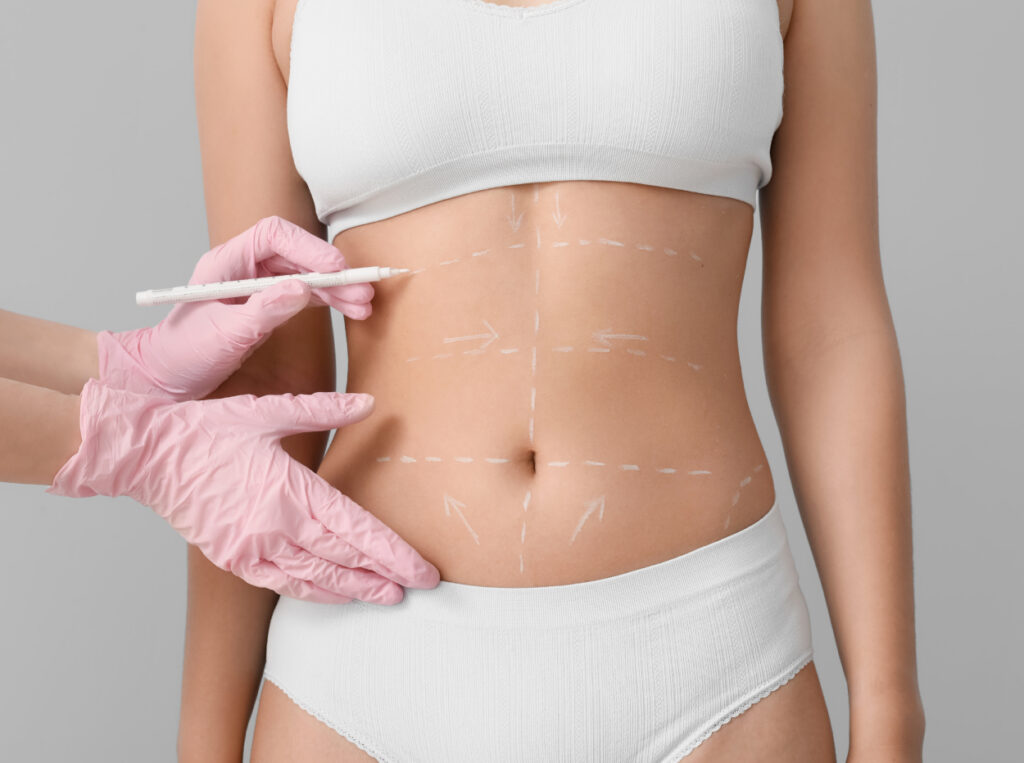
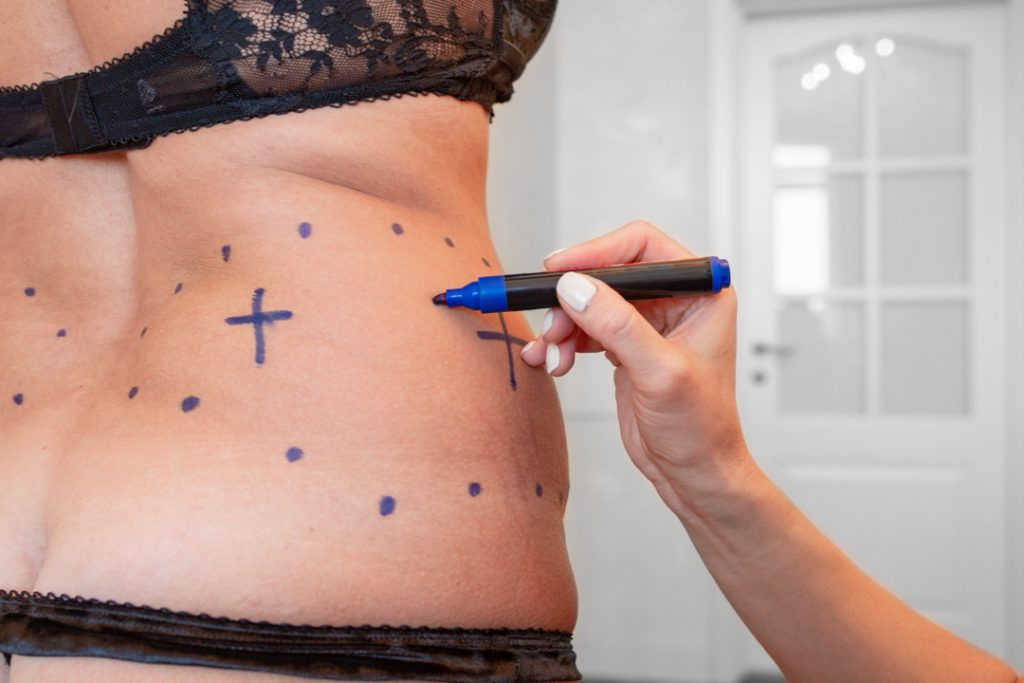
Body contouring is one of those categories that sounds straightforward until you sit down for a consultation and realize how many very different treatments live under the same umbrella. Some options tighten skin. Some reduce pockets of fat. Some help define the waistline, jawline, arms, or thighs. Others are surgical, with dramatic change and meaningful downtime. Others are office-based, lower commitment, and best for refinement rather than reinvention.
If you are researching Body Contouring Farmington Hills services, the first thing to understand is that the right treatment is less about the trendiest machine and more about the specific problem you want to solve. A patient with mild fullness below the chin needs a very different plan from someone dealing with loose abdominal skin after weight loss or pregnancy. Good outcomes start there, with accurate diagnosis, not marketing language.
In practice, body contouring works best when expectations are clear and the treatment plan respects anatomy, recovery, and the patient’s starting point. People are often not looking to become unrecognizable. They usually want clothes to fit better, a waistline to look cleaner, bra bulges to soften, or the lower abdomen to stop feeling like the one area diet and exercise never changed. https://maps.app.goo.gl/C7R83h4BFVWygmYv7 Those goals are practical, personal, and achievable when the approach matches the concern.
What body contouring actually includes
Body contouring is not a single procedure. It is a broad category that can include fat reduction, skin tightening, muscle toning technologies, liposuction, and surgeries that remove excess skin. In a place like Farmington Hills, where patients range from busy professionals to postpartum mothers to adults who have recently lost significant weight, providers often offer a mix of noninvasive and surgical options because the needs are so varied.
Noninvasive treatments generally aim to improve shape without incisions. They may use cold, heat, radiofrequency, ultrasound, or injectable medication depending on the area and indication. These treatments tend to appeal to patients who are close to their goal weight and want subtle to moderate improvement with little downtime. A common example is someone bothered by stubborn flank fat who can return to work the same day and does not want surgery.
Surgical contouring, on the other hand, is more appropriate when there is a larger volume issue, significant skin laxity, or a combination of fat and loose tissue. Liposuction can sculpt and remove fat more decisively than nonsurgical technologies. Procedures such as abdominoplasty address stretched abdominal skin and weakened tissue in ways devices simply cannot. That difference matters. It saves patients from spending money on treatments that were never designed to fix their actual concern.
Why people seek Body Contouring Farmington Hills services
People usually come in with a visible issue, but there is often a deeper reason behind it. It might be the confidence hit that comes from avoiding fitted clothing. It might be frustration after a major health effort produced weight loss almost everywhere except one stubborn area. It might be the changes of aging, especially along the jawline, upper arms, and lower abdomen.
Farmington Hills patients often have practical priorities. They ask about time off work, bruising, compression garments, how many sessions they will need, and whether the result will look natural. Those are the right questions. The ideal treatment is not always the one with the most dramatic before-and-after photos. It is the one that fits the patient’s anatomy, schedule, risk tolerance, and budget.
There is also a seasonal rhythm to demand. Many people begin consultations in late fall and winter because they want recovery and swelling to be mostly behind them by spring or summer. Others time treatment around life events, a wedding, a milestone birthday, a vacation, or simply the moment they are tired of postponing the decision.
The biggest distinction, fat, skin, or muscle
One of the most useful ways to think about body contouring is by identifying which tissue is actually causing the concern. Patients frequently say, “I need fat reduction,” when the main issue is loose skin. Others assume they need a tuck or lift when their skin quality is good and the real problem is a compact pocket of fat.
Fat responds to fat reduction treatments and liposuction. Loose skin responds, to a point, to skin tightening technologies, but severe laxity usually needs surgical removal. Muscle separation, especially after pregnancy, is a separate problem entirely. No external contouring device can reliably repair significant abdominal muscle separation the way surgery can. This is where honest consultation matters. The best providers do not stretch the capabilities of a treatment to make it fit every patient.
A familiar example is the lower abdomen after childbirth. If there is mild fullness and fairly good skin tone, a nonsurgical treatment may help create smoother contour. If there is loose, crepey skin and bulging from stretched tissue, the patient may need a surgical conversation instead. The distinction is not subtle once you know what to look for, but it is easy to miss if you are evaluating treatment names rather than anatomy.
Common noninvasive options and what they do well
Noninvasive body contouring has improved significantly over the last decade. The strongest candidates are people who are already living relatively healthy lifestyles and have one or several localized areas that do not respond proportionally to weight loss. These treatments are not a substitute for medical weight management, and they are not the best answer for generalized obesity. They are finishing tools.
Cold-based fat reduction can be helpful for pinchable fat in areas such as the abdomen, flanks, thighs, or under the chin. Heat-based technologies may target fat, tighten skin, or both, depending on the system used. Radiofrequency treatments are often chosen when skin laxity is mild and the goal is firmer texture rather than major size reduction. Some devices pair energy delivery with muscle stimulation, which can improve definition for select patients, though the visible change is often modest and best maintained with regular exercise.
Injectable treatments for submental fullness, the area under the chin, can work well in carefully chosen patients. The trade-off is that they usually require multiple sessions, and swelling can be more noticeable than patients expect. I have seen many people focus only on the fact that it is “nonsurgical” and forget that swelling for a few days still matters if they have presentations, social events, or a job with constant face-to-face interaction.
Results from noninvasive treatments tend to arrive gradually. That can be an advantage because the change looks natural. It can also be frustrating for people who want a dramatic shift quickly. Most reputable providers set the expectation that improvement unfolds over weeks to a few months, not overnight.
When surgery makes more sense
There is a point where trying to avoid surgery becomes more expensive and less effective than simply choosing the correct operation. That point is different for every patient, but it usually appears when skin laxity is significant, fat volume is substantial, or prior pregnancies or weight fluctuations have changed tissue quality in a way devices cannot reverse.
Liposuction remains one of the most effective contouring tools for patients with good skin elasticity. It can refine the abdomen, waist, back, arms, thighs, and under-chin area with much greater precision than office-based treatments. That does not mean it is casual. Recovery can involve soreness, swelling, bruising, and compression garments, and the final result takes time to settle. But for the right patient, the improvement is often more predictable and more meaningful.
A tummy tuck serves a different purpose. It is not “better liposuction.” It removes excess lower abdominal skin and can address stretched tissue, often after pregnancy or major weight loss. People sometimes hesitate because the idea of surgery feels heavy, but if a patient truly needs skin removal, no amount of machine-based treatment will duplicate that result. The same logic applies to arm lifts, thigh lifts, and other excisional procedures in post-weight-loss patients.
The best consultations are the ones where both noninvasive and surgical paths are discussed honestly. Not every person wants surgery, and not every person needs it. But every person deserves to know what each option can realistically accomplish.
Who tends to be a strong candidate
A strong body contouring candidate is not defined by a single dress size or body mass index. Candidacy depends on health, anatomy, timing, and goals. That said, certain patterns show up repeatedly in successful cases.
- You are close to a stable weight and have been there for at least several months.
- You have a specific contour concern, not a goal of broad weight loss.
- Your expectations are improvement-focused rather than perfection-focused.
- You can follow aftercare instructions, including compression, activity limits, and follow-up visits.
- You understand that maintenance still depends on long-term habits.
Patients who are still actively losing weight may be better served by waiting. If your size is changing month to month, contouring too early can leave you chasing a moving target. Similarly, if pregnancy is planned in the near future, abdominal procedures in particular may make more sense later.
What to expect during a consultation
A proper consultation should feel more like a tailored assessment than a sales presentation. The provider should examine the area standing up, ask about weight history, pregnancies, surgeries, medical conditions, and medications, and spend time understanding what bothers you most. Photos may be taken for planning and progress tracking. Measurements sometimes help, but visual analysis and tissue quality matter at least as much.
You should expect a discussion about what the treatment can and cannot do. If a provider promises skin removal from a treatment designed only for fat reduction, that is a red flag. If they skip over downtime or gloss over possible side effects, that is another one. Competent aesthetic medicine is not about overselling comfort. It is about matching the intervention to the person in front of you.
These are useful questions to ask during a consultation:
- What tissue are you treating here, fat, skin, muscle, or a combination?
- How many sessions or stages are typically needed for someone like me?
- What kind of swelling, bruising, soreness, or downtime should I realistically expect?
- When do most patients begin seeing change, and when do final results usually show?
- If this treatment does not fully address my concern, what would the next step be?
That last question is especially valuable. It reveals whether the provider is thinking comprehensively or simply trying to fit everyone into one service line.
Recovery is often misunderstood
Downtime is not always the same thing as recovery. Someone can technically return to work the next day and still be swollen, tender, and not camera-ready for a week or two. This distinction matters more than people realize.
For noninvasive treatments, the recovery profile ranges widely. Some leave little more than temporary redness or numbness. Others cause swelling, tenderness, or firmness in the treated area for days to weeks. Under-chin treatments are a good example. Because the area is visible, even moderate swelling can feel like a major disruption, despite the absence of surgery.
For liposuction and other surgical contouring procedures, early recovery is more involved. Most patients deal with swelling for several weeks and some residual swelling for longer. Compression garments are common. Light walking is encouraged, but strenuous exercise usually waits. The final contour refines gradually. It is common for patients to feel better physically before they look “finished,” and that lag can test patience.
One practical point that often gets overlooked is transportation and household support. Even if a procedure is outpatient, patients may need help the first day or two. That is especially true if the treated area affects bending, lifting, or sleeping comfortably.
Results, permanence, and maintenance
Many contouring treatments reduce fat cells in a treated area, and those cells do not simply regenerate in the same quantity. That is the scientific basis for the often-repeated phrase that results can be long-lasting. But permanence has limits in real life. Remaining fat cells can still enlarge with weight gain, skin continues to age, and hormones, pregnancy, and lifestyle all influence body shape over time.
The patients happiest years later are usually the ones who viewed contouring as a refinement, not a reset button. They maintained weight within a relatively narrow range, kept up with exercise, and understood that no procedure freezes the body in time. If someone gains a significant amount of weight after treatment, the silhouette can absolutely change.
Skin-tightening results can also soften over time because collagen remodeling is influenced by age and baseline tissue quality. A person in their thirties with mild laxity may keep a visible improvement longer than someone in their sixties with thinner, more sun-damaged skin. Neither outcome is wrong. They are simply different starting points.
Safety and side effects deserve straight answers
Every body contouring option has trade-offs. Noninvasive does not mean risk-free, and surgery does not mean reckless. What matters is whether the risk profile makes sense for your goals and whether the provider is equipped to manage complications if they arise.
Common temporary effects include swelling, bruising, soreness, numbness, firmness, and tenderness. Some treatments can produce unevenness if the patient is a poor candidate or if the treatment plan is too aggressive for the tissue. Surgical contouring adds considerations such as anesthesia, scars, longer swelling, and a more structured recovery period.
It is also worth noting that “more treatment” is not always better treatment. Overdoing energy-based tightening can irritate tissue without meaningfully improving contour. Overpromising on repeated fat-reduction sessions can wear down a patient’s budget with diminishing returns. Restraint is a sign of experience, not a lack of capability.
Choosing a provider in Farmington Hills
If you are comparing Body Contouring Farmington Hills providers, credentials and consultation quality matter more than flashy branding. Look for a medical practice that explains candidacy clearly, documents results honestly, and offers more than one path when appropriate. A provider who performs both surgical and nonsurgical contouring often has a broader perspective because they can tell you not just what they sell, but what they would choose if limitations appear.
Pay attention to the before-and-after photos, but read them carefully. Are the patients similar to you in body type and skin quality? Are the photos well lit and taken from the same angle? Is the result subtle because the treatment is subtle, or because the case was not ideal? Small clues often reveal whether a gallery is a useful planning tool or just a marketing wall.
Local convenience also matters more than people think. Follow-up visits, post-treatment checks, and the ability to reach your provider if you have concerns are not minor details. Especially for surgical cases, having a team nearby in Farmington Hills can make the process smoother and less stressful.
Cost, value, and why the cheapest option can backfire
Pricing for body contouring varies widely because the category itself is so broad. A single noninvasive session is not directly comparable to a surgical procedure, and even within the same treatment family, cost depends on area size, number of sessions, provider expertise, and whether multiple technologies are combined.
The better way to think about value is cost relative to the outcome you actually need. A lower-priced treatment that cannot solve your problem is expensive in the worst way. On the other hand, a more expensive procedure with a longer recovery may be the more efficient choice if it addresses the issue decisively.
Patients sometimes assume that starting nonsurgical is always the financially safer route. Sometimes it is. Sometimes it turns into several rounds of modest improvement, followed later by surgery anyway. There is nothing wrong with choosing a gradual path if that suits your comfort level, but it should be an informed choice, not a default assumption.
Realistic timelines help people make better decisions
Timing affects satisfaction more than most people expect. If you want to look better for a specific event, the consultation should happen earlier than you think. Noninvasive treatments may need multiple visits and time for results to develop. Surgical contouring requires scheduling, recovery, and a period of residual swelling before the final shape appears.
For a wedding, reunion, beach vacation, or photography-heavy milestone, it is wise to build in a cushion. Rushing body contouring tends to create pressure, and pressure leads to poor decisions. The body does not care about a calendar invitation. Tissue settles on its own timetable.
A realistic mindset sounds like this: I want meaningful improvement, I understand the body needs time to respond, and I am choosing the treatment that best fits the issue rather than the one with the shortest sales pitch.
The most common misunderstandings
A few misconceptions come up again and again in body contouring consultations. One is the belief that contouring and weight loss are interchangeable. They are not. Another is the belief that if a treatment is popular, it must be right for every area and every body type. Popularity says little about whether your skin quality, fat distribution, or anatomy make you a good fit.
There is also a persistent myth that body contouring should leave no evidence behind, no swelling, no bruising, no downtime, no need for maintenance. That expectation usually comes from advertising, not clinical reality. Even the easiest treatments ask something of the body. The best providers are upfront about that because honesty protects patients.
Then there is the opposite misconception, that body contouring is vain or frivolous. In experience, most people who pursue it have thought about the issue for a long time. They are not chasing perfection. They are trying to align how they feel with what they see in the mirror. That is a reasonable goal when pursued thoughtfully.
Finding the right fit for your goals
The strongest body contouring plans are specific. Not “I want to look thinner everywhere,” but “I want the lower abdomen to lie flatter in clothing,” or “I want less fullness at the bra line,” or “I want my jawline to look cleaner on video calls.” Specific goals make it easier to choose the correct treatment and to judge success afterward.
If you are exploring Body Contouring Farmington Hills services, start by identifying the area that truly bothers you, how much change you want, and how much recovery you can accept. Then look for a provider who can explain, in plain language, whether your issue is fat, skin, muscle, or some combination of all three. That conversation will tell you more than any advertisement.
Body contouring can be extremely worthwhile when it is done for the right reasons, on the right anatomy, with realistic expectations. The technology matters. The surgeon or provider matters even more. Above all, the plan has to fit the person, not the other way around.
Aesthetic Plastic Surgery & Laser Center, Michelle Hardaway M.D.
Address: 27920 Orchard Lake Rd, Farmington Hills, MI 48334
Phone number: +12482211957
FAQ About Body Contouring Farmington Hills
What does body contouring actually do?
Body contouring (or body sculpting) eliminates stubborn localized fat, tightens loose, sagging skin, and reshapes your silhouette. It is not a weight-loss tool, but rather a cosmetic procedure used to refine and tone specific trouble spots after major weight loss, pregnancy, or aging.
How much does body contouring usually cost?
The total cost of body contouring usually ranges from $2,000 to $25,000+ depending entirely on whether you choose non-surgical sessions or major surgical procedures.
Because "body contouring" covers everything from simple fat-freezing to comprehensive post-weight-loss surgeries, pricing is heavily categorized by the method used.
What is the best type of body contouring?
Liposuction is a huge topic and worth discussing in more detail, but in terms of body contouring and sculpting, nothing does the job better than liposuction, particularly VASER liposuction.